
The Technique Behind Delicate Tattoo Methods

Updated: Sep 13
Fine line tattooing is often associated with minimal designs, but the technique can go far beyond simplicity. It can be used for detailed compositions, realistic elements, organic textures and subtle transitions while keeping the overall tattoo clean and refined.
After nearly two decades of tattooing, I see fine line work less as a specific aesthetic and more as a technical approach. The goal is not simply to make the thinnest line possible. It is to understand how much detail the skin can hold, how different elements will heal, and how the tattoo will work with the body over time.
What Defines a Fine Line Tattoo?
Fine line t

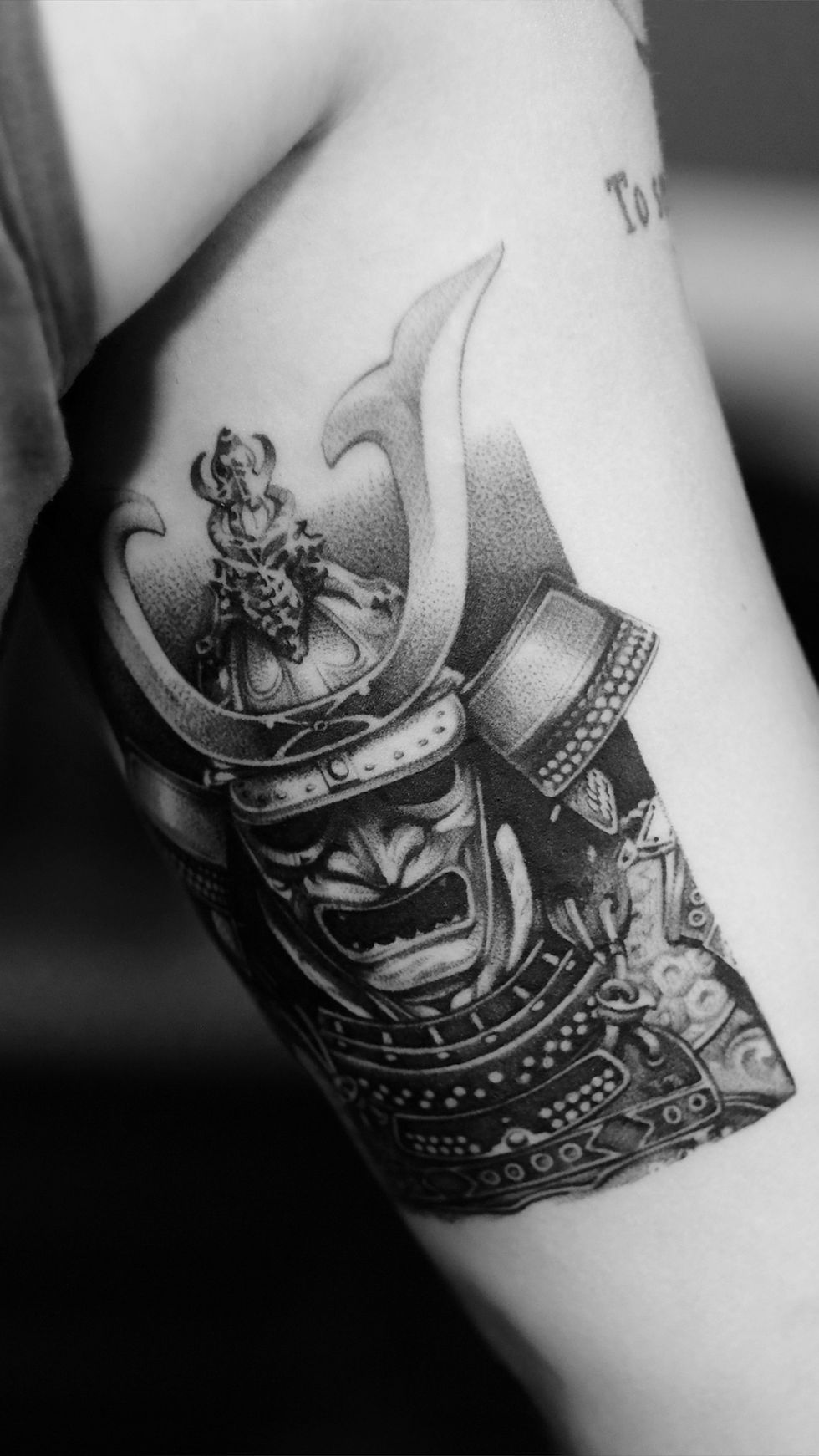
attoos are created using smaller needle configurations that allow an artist to work with precise lines and controlled details. Depending on the design, this can range from very minimal linework to much more complex tattoos combining fine lines with soft shading, pointillism and realistic elements.
The important part is balance. A tattoo can look extremely detailed when it is fresh, but good tattooing also requires thinking about how those details will settle into the skin as the tattoo heals and ages.
That is why not every detail should necessarily be made as small or as thin as technically possible. Line weight, spacing, contrast and placement all need to work together.
Technique Matters More Than Line Thickness
There is no single machine setting, needle configuration or formula that creates a good fine line tattoo. Technique needs to change depending on the design, placement, skin and the type of detail being created.
For me, control is one of the most important parts of the process. Fine line work leaves very little room for unnecessary trauma or inconsistent application. Each line needs to be intentional, and the depth, movement and pressure need to remain controlled throughout the tattoo.
I also frequently combine fine line work with whip shading and pointillism. This makes it possible to create dimension and texture without relying on heavy outlines or dense areas of shading.
Designing Fine Line Tattoos for the Body
A successful tattoo should not only look good as an isolated image. It should make sense on the body.
When I design a piece, I consider the placement, anatomy and natural movement of the area. The scale and orientation of the design can be adjusted so that the tattoo follows the body rather than simply sitting on top of it.
This becomes especially important with larger or more detailed work. Fine line techniques can still be used in substantial compositions, allowing the tattoo to remain detailed and visually light without sacrificing structure.
Fine Line Tattoos, Cover-Ups and Scar Work
Fine line techniques can also be incorporated into certain cover-ups and scar-related projects, but every case needs to be evaluated individually.
Existing tattoos, scar tissue, skin texture and pigmentation all affect what is realistically possible. In some situations, fine lines can be combined with pointillism, shading, negative space or more realistic elements to redirect attention and integrate an existing tattoo or scar into a new composition.
In other cases, a stronger structure or additional contrast may be necessary.
The goal is not simply to hide what is already there. It is to create a new tattoo that works naturally with the skin and gives the area a completely different visual identity.
How Do Fine Line Tattoos Age?
Longevity is one of the most common questions about fine line tattoos.
How a tattoo ages depends on much more than whether the lines are thin or bold. Application, design, placement, spacing, skin type, sun exposure and aftercare can all affect the way a tattoo settles over time.
This is another reason why I do not believe every design should simply be made as small as possible. Sometimes slightly adjusting the scale or spacing allows the details to remain clearer and gives the tattoo more room to age naturally.
A good fine line tattoo should be designed with both the finished result and its future in mind.

Fine Line Tattoo Aftercare
Proper healing is an important part of preserving the detail of any tattoo, particularly work involving fine lines, pointillism and subtle shading.
I provide specific aftercare instructions after each session based on the tattoo and the individual project. During the initial healing period, the tattoo should be kept clean and protected while avoiding unnecessary irritation, soaking, picking or scratching.
For aftercare, I personally use and recommend Hustle Butter products. Hustle Butter has been part of my tattooing process for years, both during sessions and throughout the healing process. Their Tattoo Balm is designed to keep tattooed skin moisturized and nourished during healing and can also be used for ongoing tattoo care once the tattoo is healed.
Long term, keeping the skin moisturized and protecting tattoos from excessive sun exposure are two of the simplest ways to help maintain their contrast and detail.
You can find the full Hustle Butter tattoo aftercare collection here:https://www.hustlebutter.com/collections/aftercare
Fine Line Tattooing in New York City
Fine line tattooing gives me the ability to combine several elements that have become central to my work: precision, realism, pointillism, whip shading and detailed black and grey tattooing.
Whether I am creating a new piece from scratch, developing a larger composition, working around an existing tattoo or approaching a scar-related project, the technique is always adapted to the individual design and the person wearing it.
If you are considering a fine line tattoo in New York City, you can submit your idea through my booking form. Include your concept, approximate size, placement and any reference images so I can evaluate the project and recommend the best approach.


Comments