
How I Design a Custom Tattoo

Updated: Jul 12
One of the questions I hear most often is:
"How do you come up with your designs?"
It's a fair question.
Most people assume the design process starts with a blank sheet of paper or a Pinterest board full of inspiration. In reality, neither is true.
Every custom tattoo I create starts with a conversation.
Not about tattoos.
About the person who will wear it.
Because the best tattoos aren't simply beautiful images. They're personal pieces of art designed for one individual, one body, and one story.

Inspiration Isn't the Design
I always encourage clients to collect reference images before their appointment.
Not because I'm looking for something to copy, but because references help me understand what you're naturally drawn to.
Sometimes it's the overall mood.
Sometimes it's the lighting.
Sometimes it's the movement of a bird's wings or the texture of marble on a sculpture.
Other times, it's something the client can't even put into words.
Those references become the starting point—not the final destination.
My goal is never to recreate someone else's tattoo. It's to understand what resonates with you and build something that's entirely your own. Every Body Requires a Different Composition
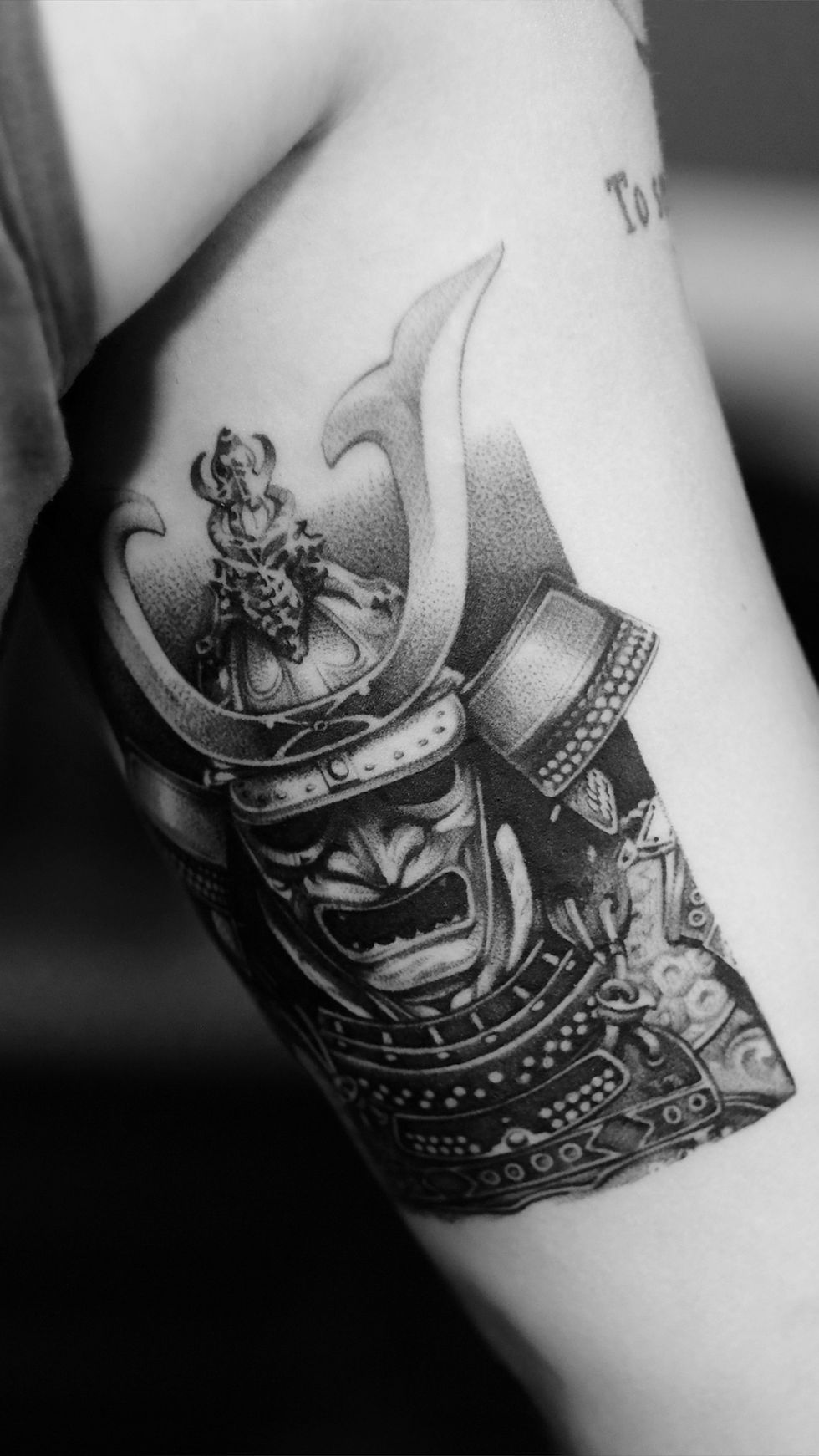
One of the biggest differences between a custom tattoo and a copied design is that a custom piece is created specifically for the body it will live on.
A design that looks incredible on one person's forearm may feel completely out of place on another.
Shoulders rotate.
Muscles create different contours.
Bones change the way light interacts with a tattoo.
Even the same subject—a bird, a flower, or a classical sculpture—can require an entirely different composition depending on its placement.
Before I think about details, I think about flow.
How should the eye travel across the tattoo?
Where should the visual weight sit?
How can the design complement the body's natural movement rather than compete with it?
Those questions shape every decision that follows.
Composition Comes Before Detail
Many people focus on tiny details when looking at tattoos.
As an artist, I see the overall composition first.
If the composition is weak, adding more detail won't fix it.
Strong tattoos are built on clear shapes, balanced proportions, and thoughtful use of contrast.
Only after that foundation is established do I begin refining textures, lighting, and smaller elements.
The details should support the design—not become the design.

Negative Space Is Part of the Artwork
One of the most overlooked aspects of tattoo design is what isn't tattooed.
Negative space isn't empty space.
It's breathing room.
Open skin allows darker areas to feel richer, creates visual separation between elements, and helps the tattoo remain readable as it ages.
Trying to fill every inch of skin often makes a tattoo feel crowded.
Sometimes leaving space is just as important as adding ink.
Designing for Today—and for Ten Years From Now
A tattoo shouldn't only look good when it's fresh.
It should still feel balanced years after it has healed.
That's why I think about longevity from the very beginning of the design process.
How will these details soften over time?
Will this level of contrast still read clearly years from now?
Does this composition have enough structure to age gracefully?
Those questions influence every design decision I make.
Why I Don't Send Finished Designs Before the Appointment
This is another question I receive frequently.
The short answer is simple: a tattoo isn't finished until I can see it on the person it's meant for.
Small adjustments often make a significant difference once I can evaluate the placement, body proportions, and overall flow in person.
Designing this way also gives us the opportunity to make refinements together before we begin tattooing.
I want every client to feel confident that the artwork fits them—not just the reference images we started with.

Collaboration Is Part of the Process
Although every tattoo is drawn by me, the creative process is collaborative.
Your ideas, memories, and inspiration are just as important as my experience.
My role is to translate those ideas into a composition that works artistically, anatomically, and technically.
Sometimes that means simplifying an idea.
Sometimes it means combining several concepts into one cohesive design.
Sometimes it means suggesting a completely different direction that ultimately tells the same story in a stronger way.
The goal is never to impress with complexity.
The goal is to create something that feels timeless and personal.
Every Tattoo Should Feel Like It Belongs
After nearly two decades of tattooing, I've realized that the tattoos I'm most proud of all have one thing in common.
They don't look like stickers placed on the body.
They feel like they belong there.
That's what I try to achieve with every custom project.
Not simply creating a beautiful image, but designing something that moves naturally with your anatomy, reflects your story, and continues to feel intentional for years to come.
Because that's what a custom tattoo should be.
Not something chosen from a catalog.
Something created specifically for you.
Fill out the booking form to get in contact with me.
Continue Reading
Why Tattoos Age Differently
The design decisions that determine how tattoos look years later.
Whip Shading Explained
Why I rely on whip shading to build depth and texture.


Comments