
Whip Shading Explained

Updated: Jul 12
When people ask about my tattooing style, they're often surprised that the answer isn't a specific subject or aesthetic.
It's a technique.
More specifically, it's the way I build light, texture, and contrast through whip shading.
Over the years, this has become one of the defining elements of my work—not because it's trendy, but because it allows me to create tattoos that feel softer, more dimensional, and built to age naturally.
What Is Whip Shading?
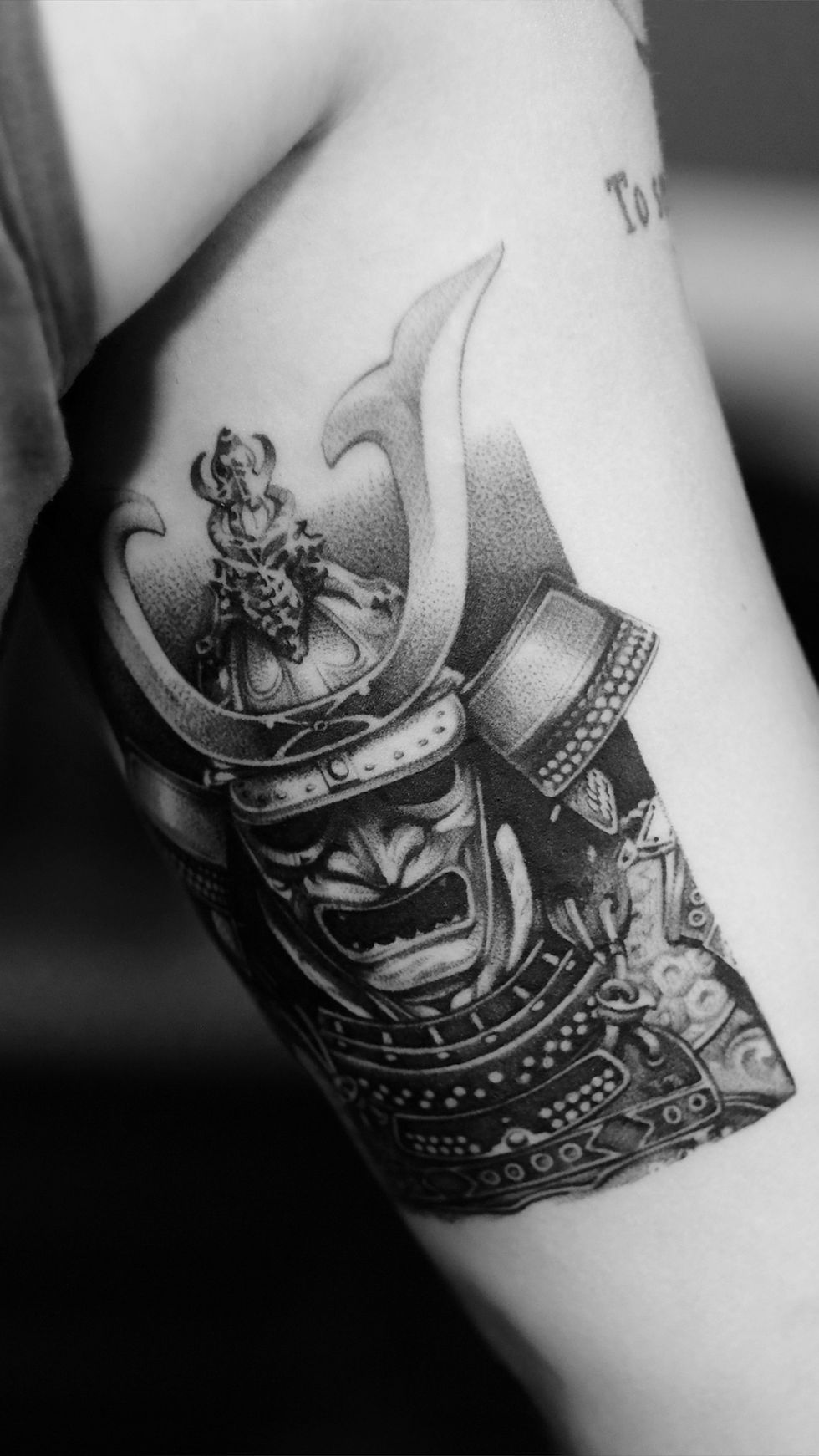
Whip shading is a method of creating gradients by gradually lifting the needle from the skin during each movement.
Instead of filling an area with solid saturation, the pigment naturally disperses from dark to light, producing smooth transitions that feel organic rather than mechanical.
When controlled correctly, this technique creates depth without harsh edges.
It's especially effective in black and grey realism, botanical work, sculpture-inspired tattoos, and detailed wildlife pieces.
Technique Is Only Half the Story
People often think whip shading is simply a different way to shade.
In reality, it's a completely different way of thinking about value.
Instead of asking,
"How dark should this area be?"
I'm asking,
"How does the light travel across this form?"
That's a subtle difference, but it's what creates tattoos that feel sculptural instead of flat.

Building Tattoos Through Light
One of the things that has always fascinated me is studying how light defines form.
Whether I'm tattooing feathers, flowers, marble sculptures, or wildlife, I'm constantly looking at how light wraps around the subject.
Every gradient exists for a reason.
Every shadow supports the composition.
Instead of relying on heavy black fills, I prefer building depth through controlled transitions that preserve openness within the design.
Why I Prefer This Approach
The reason I continue using whip shading isn't because it's difficult.
It's because it gives me more control.
It allows me to create:
Softer transitions
Greater texture
More realistic surfaces
Cleaner visual hierarchy
Better integration between detailed areas and open skin
Rather than overwhelming the eye with contrast everywhere, I can guide attention exactly where I want it.
Whip Shading and Longevity
One question I hear frequently is whether tattoos created with whip shading age well.
Like every tattoo, longevity depends on many factors.
Placement.
Skin quality.
Sun exposure.
Aftercare.
Overall design.
But thoughtful gradients and controlled contrast help preserve readability as tattoos mature.
For me, longevity begins during the design stage, not after the tattoo has healed.

Why I Use It in Cover-Ups
Whip shading also plays an important role in many of my cover-up tattoos.
Soft transitions make it possible to redirect the eye instead of simply burying the old tattoo beneath heavy black areas.
Combined with careful composition and contrast, it creates cover-ups that feel intentional rather than obvious.
The objective is never to make the tattoo look darker.
The objective is to make it look designed.
A Technique Refined Through Experience
I've spent years refining how I approach black and grey tattooing.
Every healed tattoo teaches something.
Every client adds another layer of understanding.
That's why my technique continues to evolve.
Not because I'm searching for a trend—but because I'm always looking for a better result.
Final Thoughts
Whip shading isn't what defines a great tattoo.
Good design always comes first.
But when it's combined with thoughtful composition, strong contrast, and an understanding of light, it becomes an incredibly powerful tool.
For me, it's one of the ways I create tattoos that feel natural on the body, photograph beautifully, and continue to hold their character long after they've healed.
Fill out the booking form to get in contact with me.

Continue Reading
How I Design a Custom Tattoo
Learn how every tattoo begins long before the needle touches the skin.
Why Tattoos Age Differently
The design decisions that determine how tattoos look years later.


Comments