
Why Some Tattoos Age Better

Updated: Jul 12

Why Some Tattoos Age Beautifully and Others Don't
One of the biggest misconceptions in tattooing is that longevity depends mainly on ink or equipment.
It doesn't.
After nearly two decades of tattooing, I've found that tattoos which continue to look strong years later almost always have one thing in common:
They're built on good design principles before the needle ever touches the skin.
Long-lasting tattoos begin with composition, flow, contrast, and an understanding of how the human body changes over time.
Every Tattoo Lives on a Three-Dimensional Surface
Unlike drawing on paper, tattooing means designing for a surface that's constantly moving.
Muscles flex.
Skin stretches.
Body proportions change.
A successful tattoo works with those movements instead of fighting against them.
Before I begin designing, I consider how the anatomy naturally guides the eye.
Should the composition wrap?
Should it remain vertical?
Where should visual weight sit?
These decisions influence how the tattoo will look not only today, but years from now.

Shape Creates Movement
People often notice detail first.
I notice shape.
Strong overall silhouettes create tattoos that remain readable even from across a room.
Without a solid foundation, intricate details eventually compete with one another instead of supporting the composition.
Whether I'm designing a bird, a sculpture, botanical elements, or an architectural composition, the overall shape always comes first.
Details only strengthen what's already working.
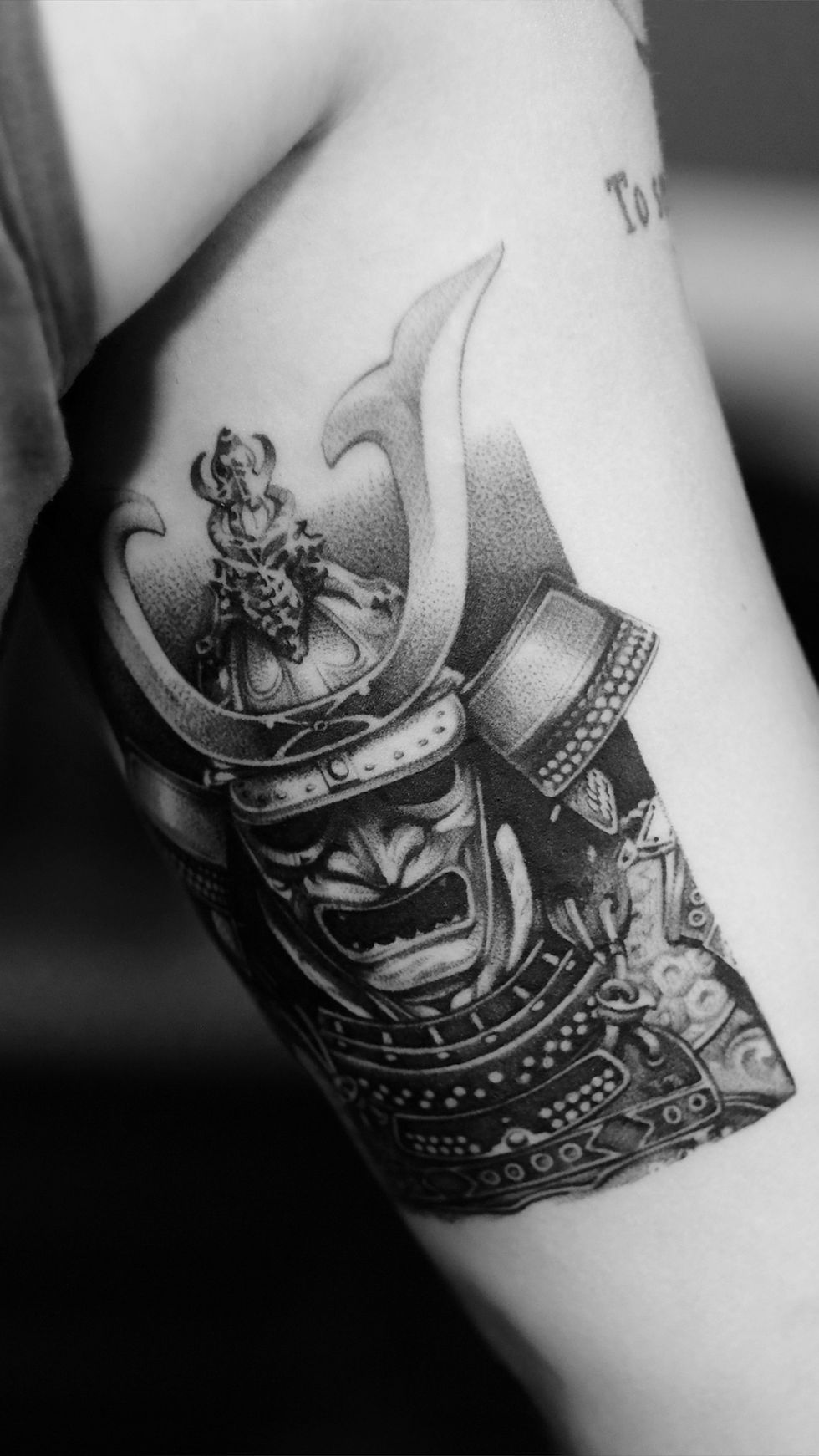
Light Creates Depth
One of my biggest interests throughout my career has been studying light.
Light determines where the eye looks first.
It separates foreground from background.
It creates atmosphere.
More importantly, it gives tattoos dimension without needing excessive detail.
By carefully controlling highlights, mid tones, and dark values, it's possible to create tattoos that feel sculptural rather than flat.
Contrast Is What Makes Tattoos Last
Many people think longevity comes from bold outlines.
While structure is important, contrast is often what keeps a tattoo readable over time.
Open skin, soft transitions, and deep blacks all work together.
If every area has the same visual intensity, the tattoo loses hierarchy.
Creating contrast isn't about making everything darker.
It's about giving the eye somewhere to rest.

Repetition Builds Instinct
People sometimes ask how artists become comfortable designing complex subjects like birds, classical sculptures, florals, or architectural elements.
The answer isn't talent.
It's repetition.
Drawing and tattooing the same subjects hundreds of times develops something that's difficult to teach: instinct.
Eventually you stop copying references.
You begin understanding structure.
You recognize how feathers overlap.
How stone catches light.
How flowers naturally fold.
That understanding allows every new design to become more personal instead of more repetitive.
Every Design Starts From Scratch
Although I frequently tattoo similar themes, I never reuse a composition.
Every client has different anatomy.
Different proportions.
Different goals.
The same bird can feel completely different depending on whether it's placed on a shoulder, forearm, ribcage, or thigh.
Designing specifically for the individual is what allows the tattoo to feel natural rather than simply placed on top of the body.

Technique Supports the Design
Clients often ask about machines, needles, or specific techniques.
Those tools matter.
But they always come second.
Technique should serve the design—not define it.
Whether I'm using fine line work, whip shading, or softer black and grey transitions, the objective remains the same:
To support the composition and create a tattoo that will continue to age with clarity.
Tattoos Should Improve With Time
A tattoo changes throughout its life.
Ink settles.
Skin heals.
Contrast softens.
The best tattoos anticipate those changes rather than ignoring them.
That's why I approach every project with longevity in mind from the very beginning.
Not just how it will look when you leave the studio—but how it will look years later.
Final Thoughts
Beautiful tattoos aren't accidental.
They're the result of thoughtful composition, careful observation, technical experience, and countless hours spent studying shape, light, and anatomy.
After nearly two decades of tattooing, that's still the part of the process that fascinates me most.
Because creating a tattoo isn't simply about putting ink into skin.
It's about designing something that continues to feel intentional for the rest of its life.
Fill out the booking form to get in contact with me.
Continue Reading
How I Design a Custom Tattoo
Learn how every tattoo begins long before the needle touches the skin.
Why Tattoos Age Differently
The design decisions that determine how tattoos look years later.
Whip Shading Explained
Why I rely on whip shading to build depth and texture.


Comments