
Single Needle Tattoos Explained

Updated: Jul 12
When people hear the phrase single needle tattoo, they often imagine extremely delicate tattoos that disappear after a few years. Others assume the technique simply means using one tiny needle instead of a larger grouping.
The truth is far more interesting.
After nearly two decades of tattooing, I've learned that the longevity and quality of a tattoo have much less to do with the number of needles being used and far more to do with the artist's technique. Single needle tattooing isn't about making tattoos thinner—it's about creating detail with intention.
What Is a Single Needle Tattoo?
A single needle tattoo is created using one individual needle rather than a grouped configuration. This allows an artist to produce extremely fine lines, subtle textures, and highly controlled details that would be difficult to achieve with larger needle groupings.
The style has become increasingly popular for:
Fine line tattoos
Botanical designs
Small realistic tattoos
Delaborate black and grey work
Lettering
Portrait details
Ornamental tattoos
When executed properly, single needle work can create an incredibly refined appearance without sacrificing readability.
The Biggest Misconception About Single Needle Tattoos
One of the most common questions I receive is:
"Do single needle tattoos fade faster?"
The honest answer is:
Not if they're applied correctly.
Poorly executed fine line tattoos often heal unevenly because the artist is either too shallow or inconsistent with their application. Many people blame the needle size when the real issue is technique.
A well-executed single needle tattoo should heal cleanly, remain readable, and age naturally just like any other professionally applied tattoo.

Technique Always Comes First
People often focus on equipment, but equipment is only a small part of the process.
The real difference comes from:
Proper depth
Consistent hand speed
Skin tension
Controlled stretching
Thoughtful design
Understanding how tattoos age
These fundamentals determine whether a tattoo will still look beautiful years later.
No machine or needle can compensate for poor technique.
Why I Use Single Needle Selectively
Despite its popularity, I don't believe every tattoo should be done entirely with a single needle.
Different designs require different approaches.
Large areas of shading, strong black saturation, or structural elements often benefit from other needle configurations. Restricting yourself to one needle for every part of a tattoo can actually compromise both efficiency and longevity.
Instead, I combine different techniques depending on what the design needs.
This allows me to preserve delicate details while ensuring the tattoo has enough structure to age gracefully.
Combining Single Needle with Whip Shading
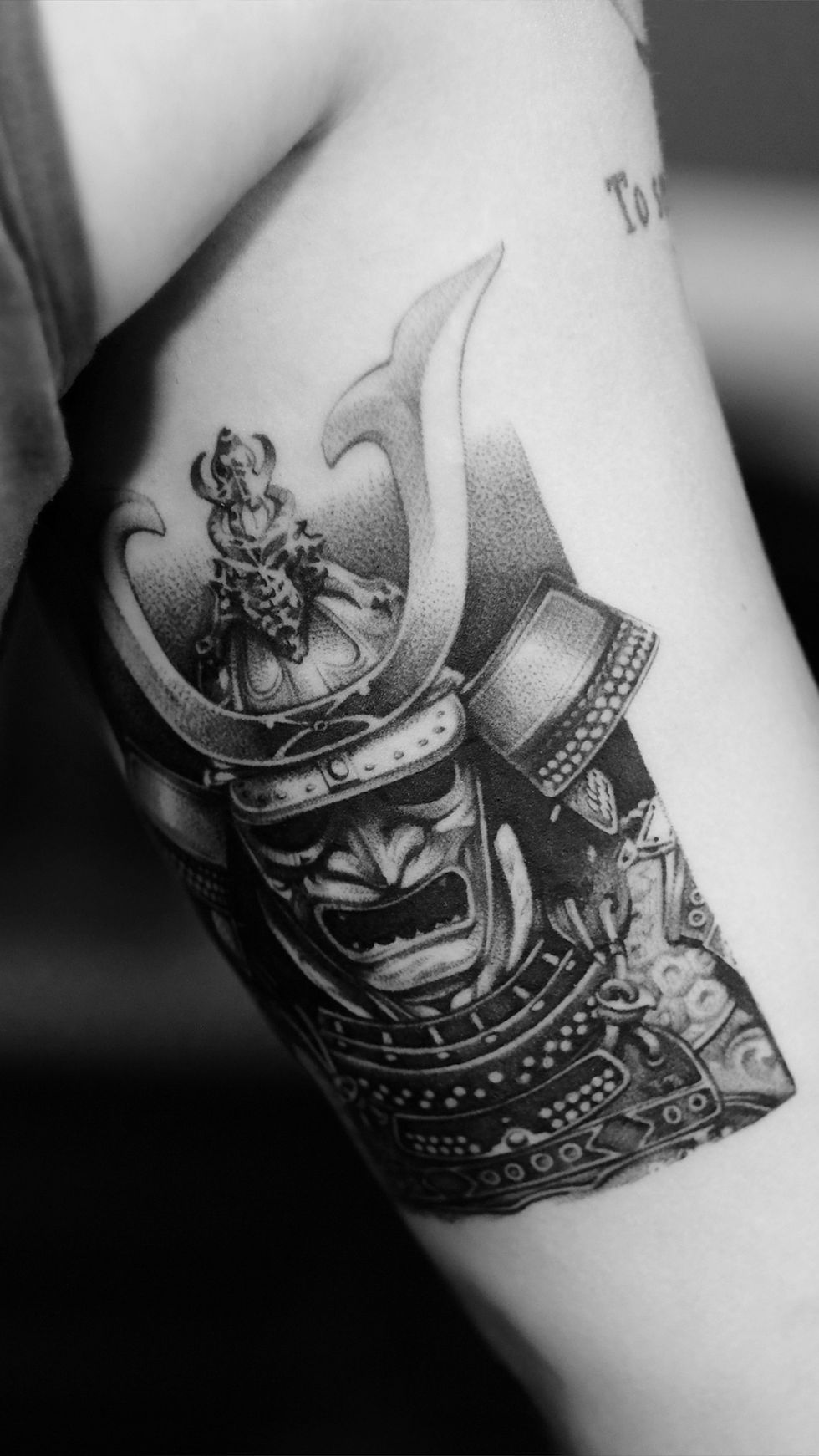
One technique I frequently use throughout my work is whip shading.
Rather than creating heavy gradients, whip shading builds soft transitions through thousands of carefully controlled movements.
When combined with selective single needle detailing, it creates tattoos that feel lighter, more dimensional, and exceptionally refined.
This approach works particularly well for:
Black and grey realism
Nature-inspired tattoos
Sculpture-inspired pieces
Birds and wildlife
Floral compositions
Cover-ups
Scar camouflage
Instead of relying on harsh contrasts, the design develops depth through texture and subtle transitions.

Does Every Tattoo Benefit from Single Needle?
Not necessarily.
Some tattoos need bold structure.
Others require stronger outlines or heavier shading to maintain readability over time.
The best artists choose techniques based on the design rather than following trends.
Every project should be approached individually.
That's why I begin every custom tattoo by understanding the client's anatomy, the placement, the long-term goals, and how the tattoo will age over time.
Designing Tattoos That Last
Creating a beautiful tattoo isn't only about how it looks on the day it's finished.
It's about how it looks five, ten, or twenty years later.
Fine details should remain intentional.
Textures should stay readable.
Contrast should continue creating depth.
These are decisions made during the design process—not after the tattoo heals.
Whether I'm creating a completely custom piece, transforming an old tattoo through a cover-up, or designing around scar tissue, my goal remains the same: create artwork that feels personal today and continues to age with integrity.
Final Thoughts
Single needle tattooing is one of the most misunderstood techniques in modern tattooing.
The needle itself isn't what creates exceptional tattoos.
Experience, thoughtful design, and disciplined application do.
When used intentionally—and combined with techniques like controlled whip shading—single needle work can produce tattoos that are elegant, highly detailed, and built to stand the test of time.
Fill out the booking form to get in contact with me.
Continue Reading
How I Design a Custom Tattoo
Learn how every tattoo begins long before the needle touches the skin.
Why Tattoos Age Differently
The design decisions that determine how tattoos look years later.
Whip Shading Explained
Why I rely on whip shading to build depth and texture.


Comments